Ship something Sales can sell — by end of quarter.
The executive team set the goal plainly: enable Sales to generate new product revenue in Q1. The product team's job was to find the feature worth building — and deliver it against three hard constraints: less than three months to market, thin engineering capacity, and a decade of accumulated technical debt.
EventMobi's event app augments conferences with digital engagement — networking, live polls, gamification. What it would become next wasn't handed to us as a spec. It had to be discovered, justified, designed, and shipped, in one quarter. In my experience, this is the harder, truer version of product design: not the greenfield concept, but designing within the realities of an existing product that needs UX, UI, and technical overhauls — while the business clock runs.
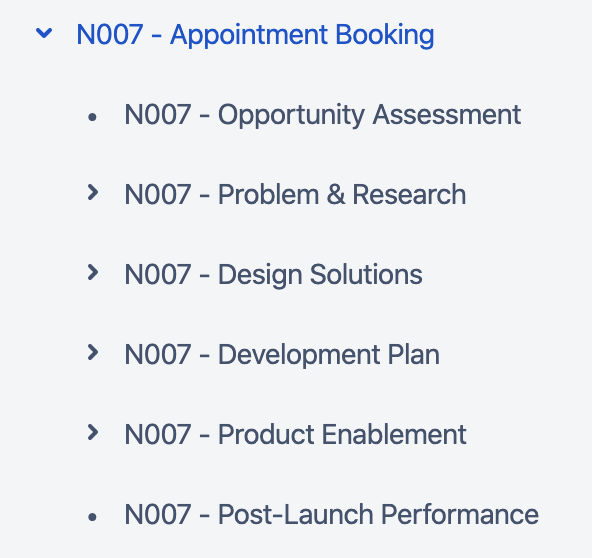
Finding the product in the support data.
While our PM sized business opportunities, I led the mining of our own field data: every client request and complaint captured by Support in the trailing two to three years. (Older than that and you're studying problems the market has already solved.) The capture tool couldn't do analysis, so I exported everything into Sheets where we could actually manipulate and visualize it.
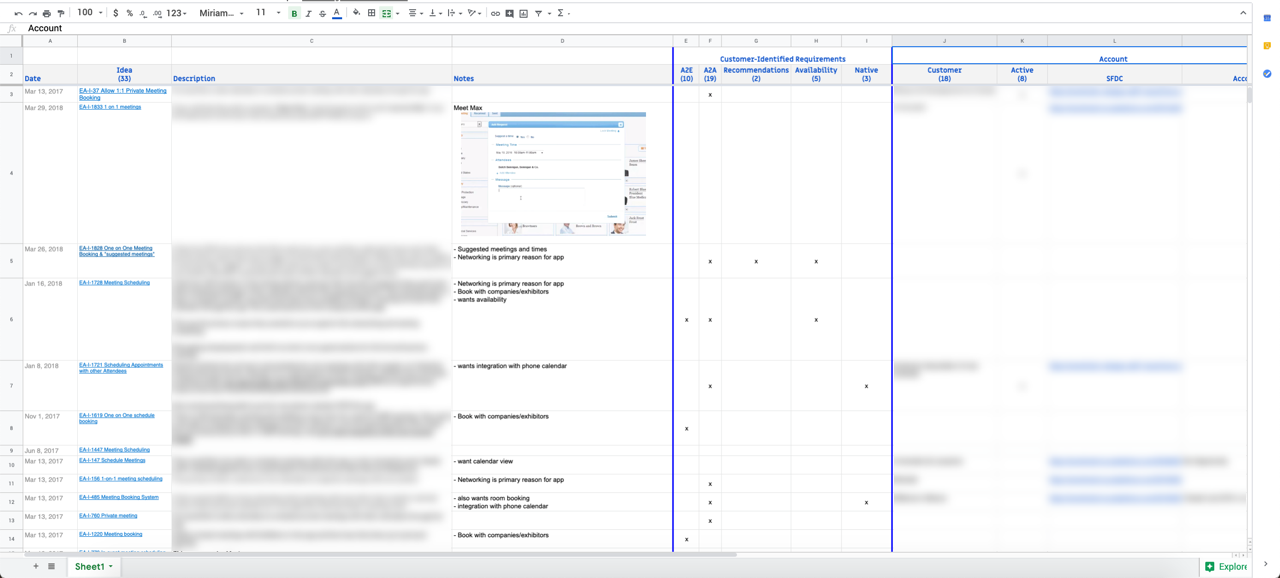
Two clusters kept re-appearing: clients purchasing the event app specifically for networking, and clients asking for a way to book time with vendors, exhibitors, and each other. Event planners running networking-driven events were explicit — some said they would pay for a solution. Picture a conference floor with a hundred-plus exhibitor booths: attendees don't want to wander and hope, they want a systematic way to reserve a conversation.
With a pattern in hand, the discipline was to define the thing as sharply by what it was not as by what it was: a 1:1 attendee-to-attendee appointment booking tool for buyer–supplier meetings — not a lead-generation tool for exhibitors, not a topic-meetup planner. And an honest competitive read: CVENT and DoubleDutch already had this. We weren't differentiating; we were catching up. That honesty shaped every scope decision after it.
Interrogating the ask before drawing a single screen.
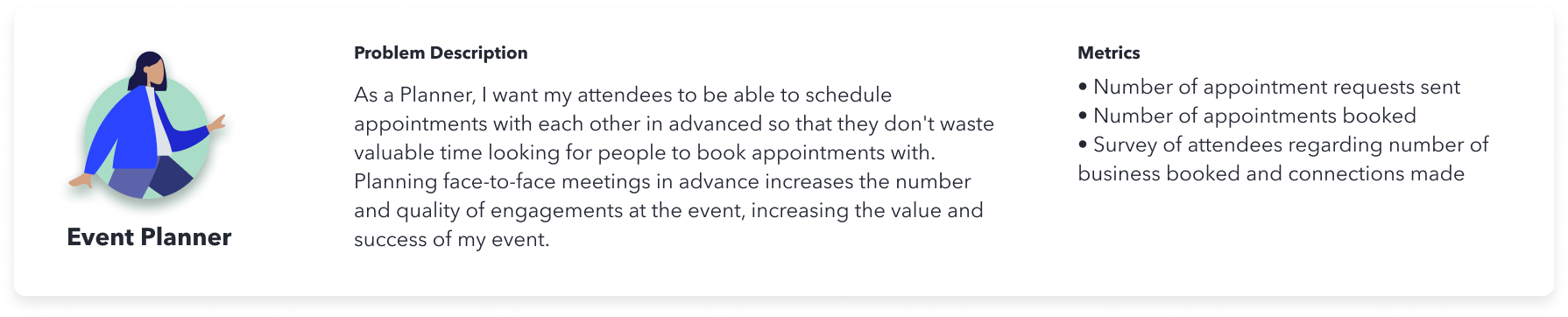
Once the executive team escalated appointment booking as the Q1 release, we needed to understand it well enough to ship something genuinely valuable — fast. With no time to recruit external participants, we got resourceful: our own staff included people who had been event planners, the exact persona we were building for. We interviewed internally, then pressure-tested what we heard against the support data.
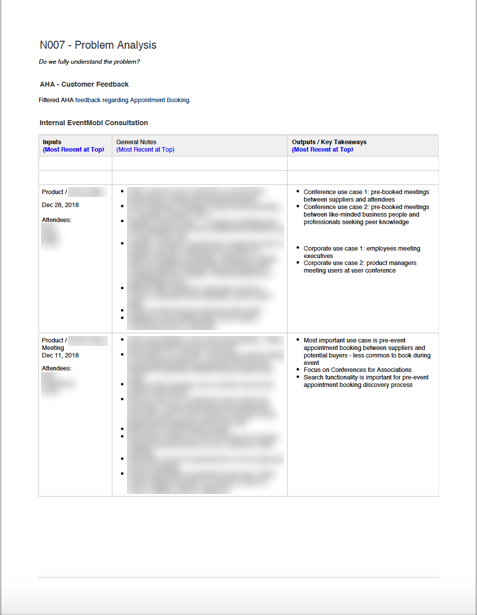
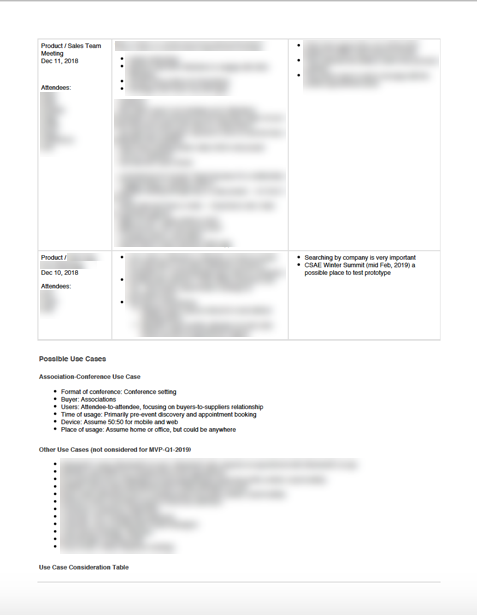
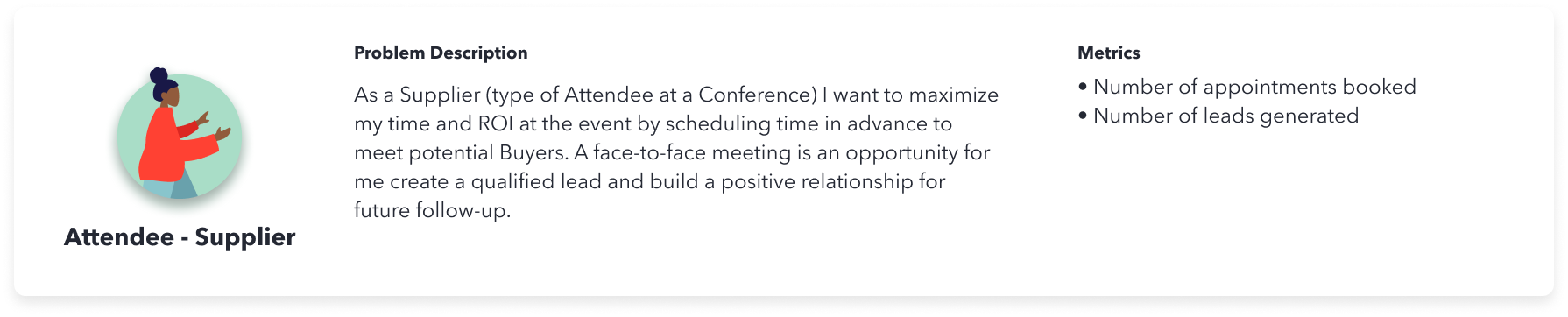
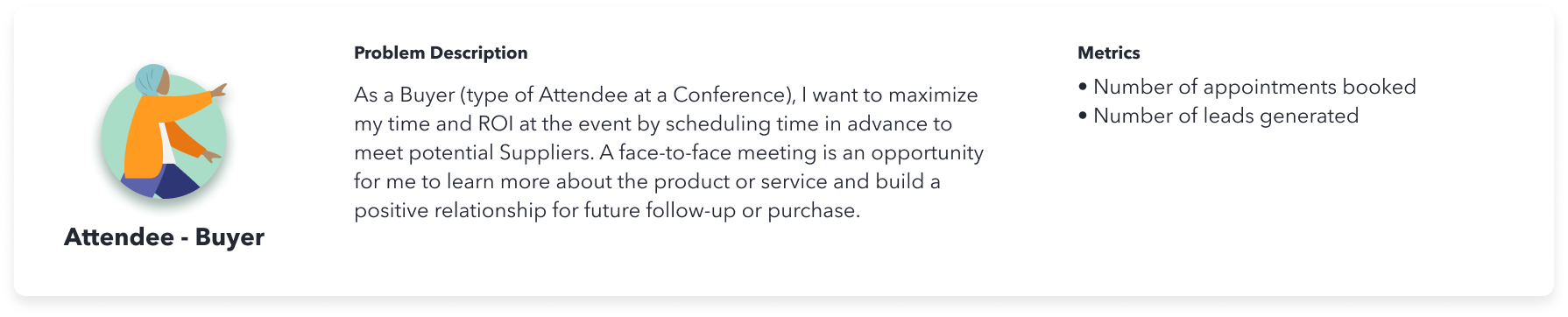
The decisive finding: the most important use case was pre-event booking between suppliers and potential buyers — booking during the event itself was far less common. That let us cut ruthlessly. The MVP would target the conference format, attendee-to-attendee (buyer ↔ supplier), primarily pre-event, on an assumed 50:50 split of mobile and web.
Designing inside the walls of a ten-year-old app.
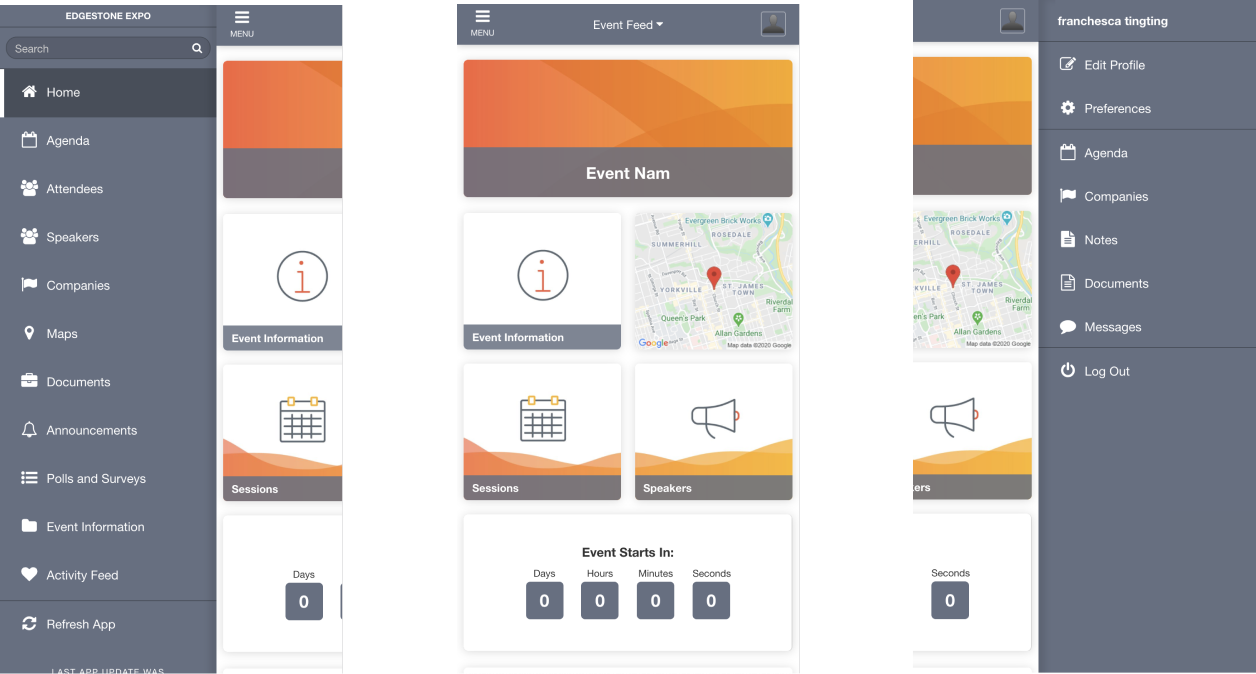
The event app carried real structural constraints: two menus (a main menu, plus a secondary one holding the user's personal items), visual patterns nearly a decade old, and an engineering reality where the 'right' answer — a familiar calendar UI like Google's or Apple's — was flatly out of technical reach for Q1. Pre-filled location dropdowns? Out of scope. The design problem became: introduce a new, sellable capability without disrupting the app's existing UX, within what engineering could actually build in the timeline.
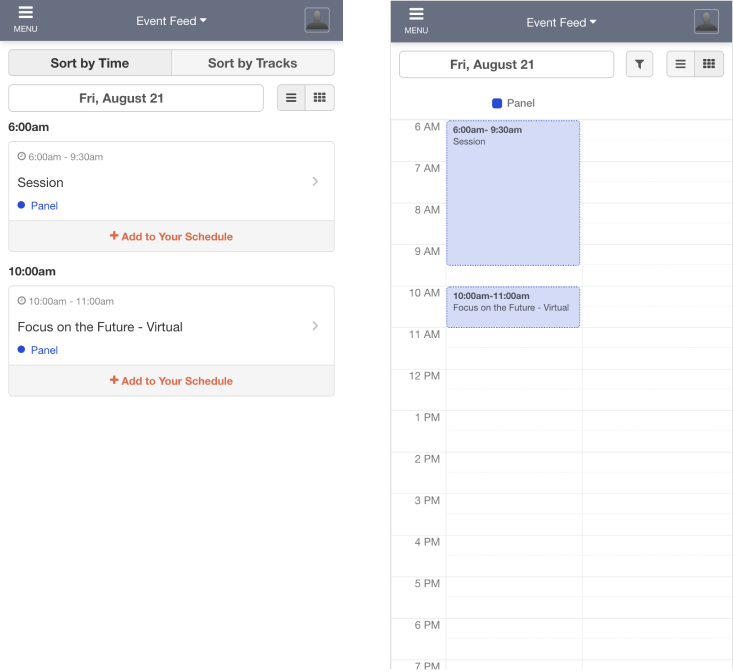
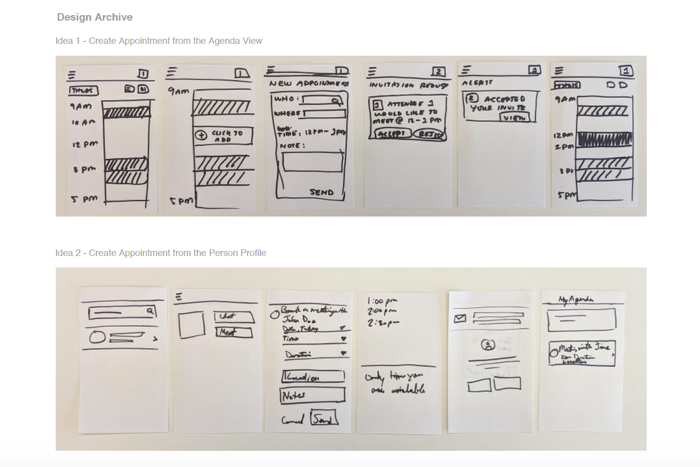
To get breadth fast, I proposed and facilitated a Crazy 8s session with the VP of Product, both PMs, and both product designers — quantity of ideas first, judgment second. Pie-in-the-sky welcome: one of mine was booking an appointment entirely through a chatbot. The point is to turn the wheels before converging.
One feature, three surfaces, one handoff.
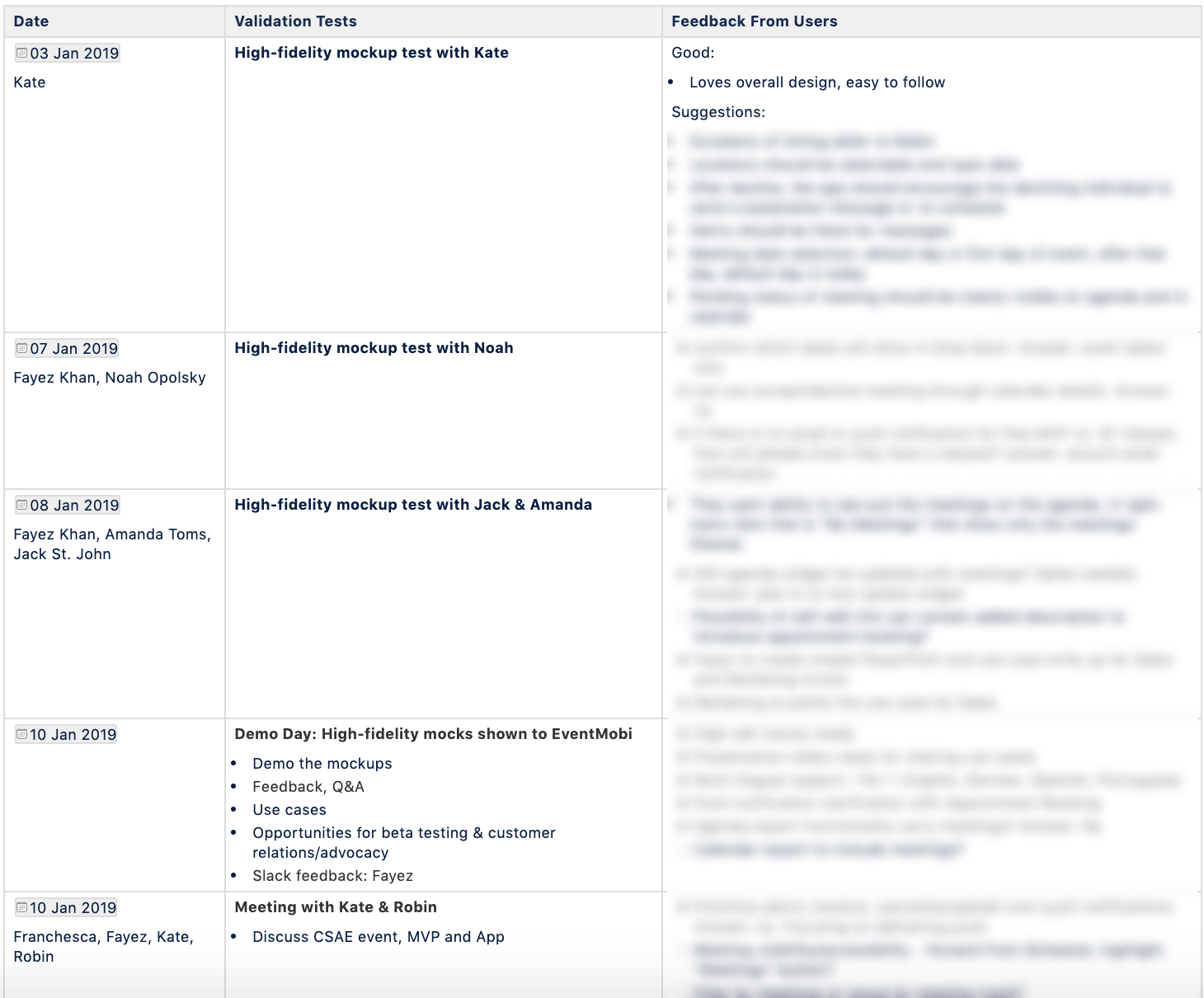
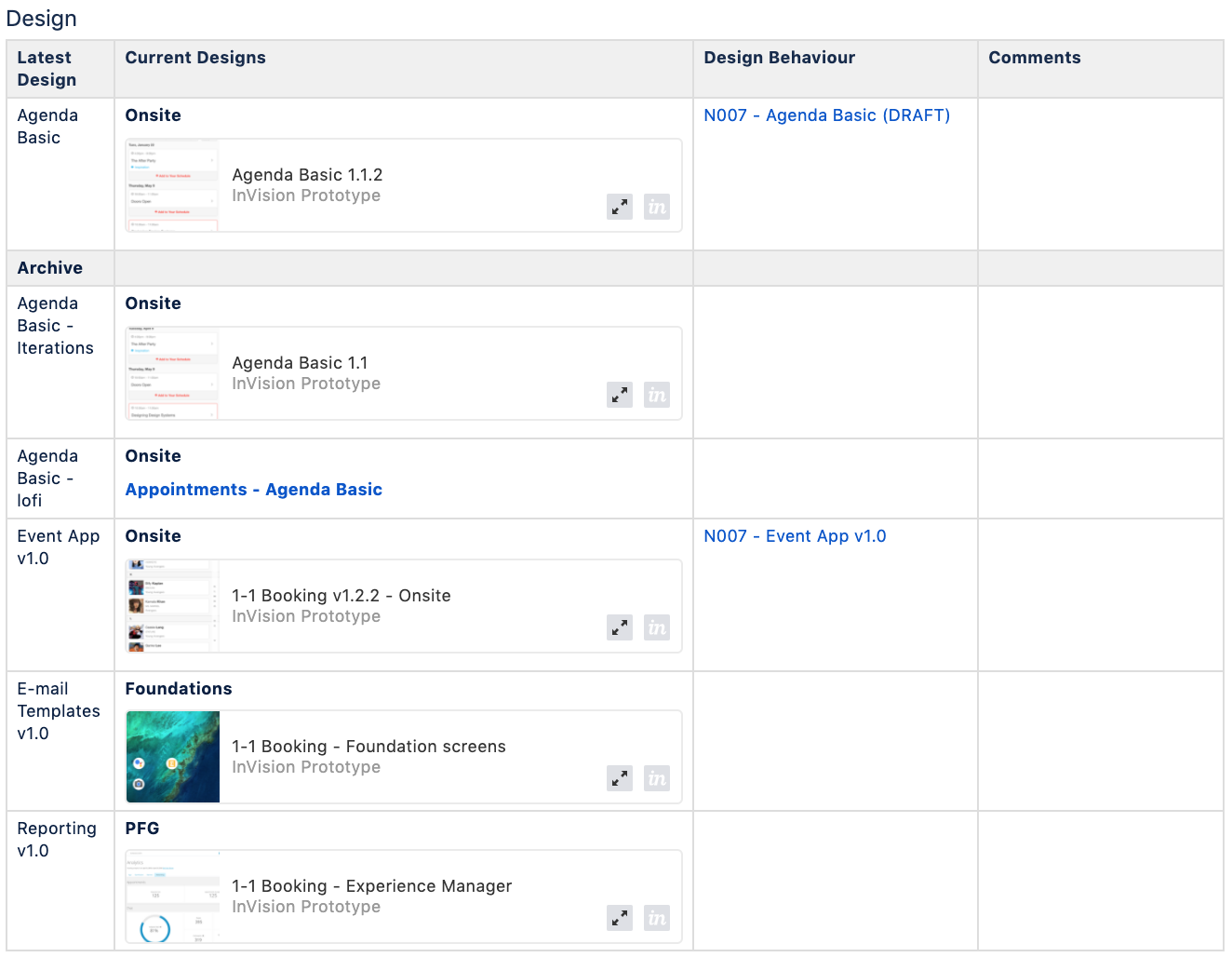
The feature touched all three functional groups in the platform. I structured the handoff so each engineering group received exactly the screens and flows relevant to them — event app, web, and the experience manager — with continuous design critique running in Confluence throughout, so we never over-invested in a wrong direction.
It shipped. Below, two attendees at an event finding each other and booking a meeting — the loop that turned support-ticket noise into a product Sales could put a price on.